+880-1720243885
Brotee’s vision of social transformation is rooted in addressing this ‘separation and unhapiness’ and in seeking its own pathway by taking inspiration from Paolo Friere and his seminal work, Pedagogy of the Oppressed. We are inspired by Friere's claim that ‘oppressed people can regain their humanity in their struggle for liberation but if only that struggle is led by oppressed people’, or where the poor have power to determine their own destiny.
The essence of empowerment, human dignity and democratic polity is such that they can only be achieved throughinclusive, participatory social order and governance.
Gonokriya Gobeshona-HRP formula for social transformation:
(i) GKG-HRP is Collective Action Research for the protection of Human Rights and Elimination of Poverty: GKG-HRP is a participatory framework of the poor, for the poor and by the poor employed for social transformation.IMPACT of GKG-HRP: YOUTH MOVEMENT – COMMUNITY VIGIL – COMMUNITY MANAGEMENT – SOCIAL GOVERNANCE
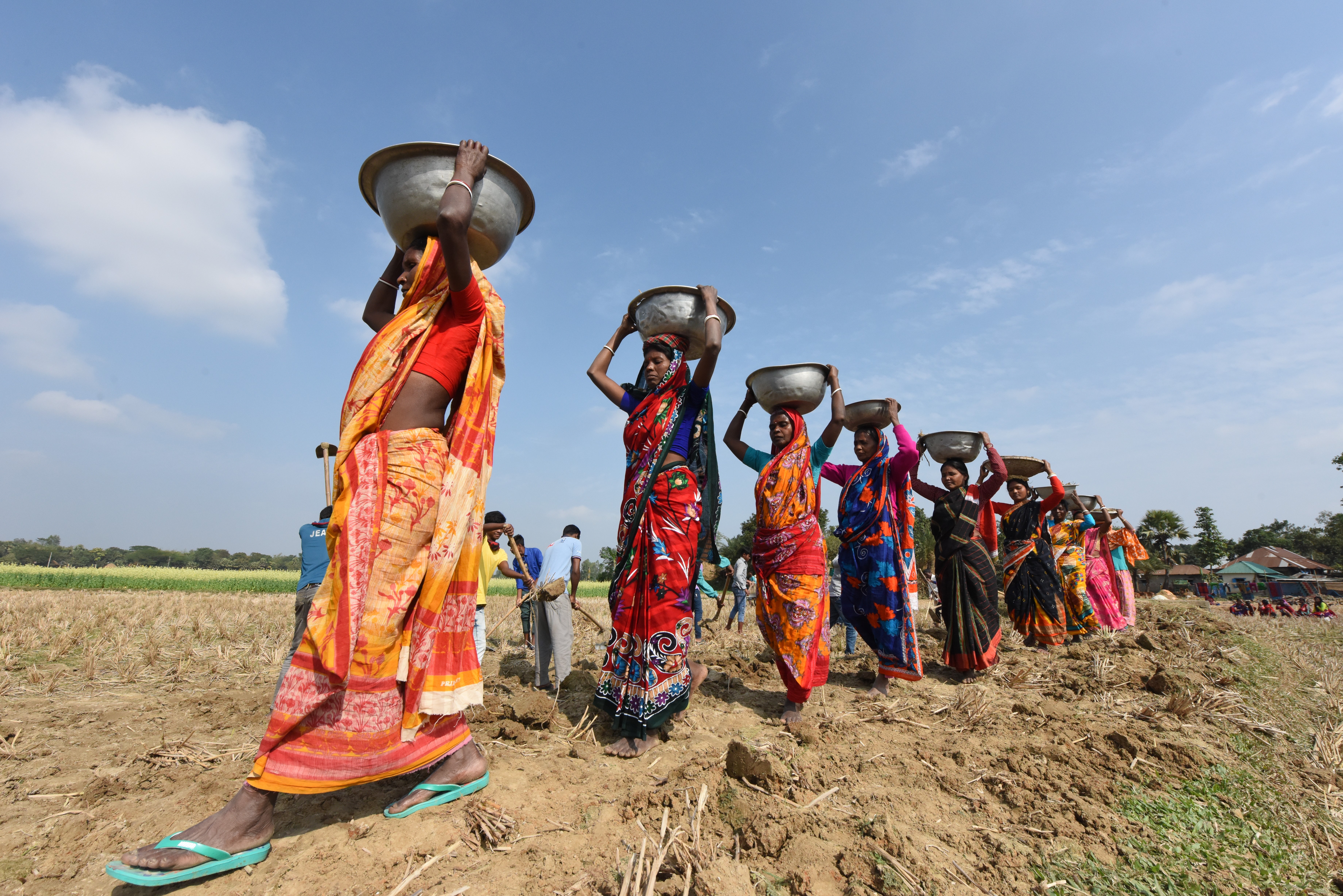
Brotee paves the way for the empowerment of the marginalisedpoor, especially the adibasi population and women and children through the holistic and integrative system of GKG. Through this process, Brotee moves towards its vision of what it likes to call ‘shukhi’ or a ‘happy village’ and a happy Bangladesh, where people are fulfilled, creative and living in harmony with nature and where they can determine their own lives.

Each GKG village is an SDG village and thefiveresults below explain why
1.SocialSocial Action to protect the vulnerable
1.Safe village for all children and women"As a sociologist, I believe that the social scientists have a moral duty not only to uncover social problems but also to ‘try to remedy the grave injustices’ the communities across the country have been subjected to over the years. As the principal researcher and a relentless facilitator of participatory processes, in 1998, I began a phase of organic ‘learning by doing’, testing dialogical, visual and democratic techniques of communication at the grassroots while undertaking various community activities on water and gender. The Latin experience of the sixties (Orlando Fals Borda) of action reflection, the German experience of metaplan, group dynamics and structured participation and the works of Dr Anisur Rahman on development of the third world, enhanced our knowledge."– Sharmeen Murshid
Formation of Gonogobeshok Dal (GGD) village action research team

© 2026 All Right Reserved. Brotee Samaj Kallyan Sangstha
Designed By